
Monday to Saturday - 9:00 am -18:00 pm

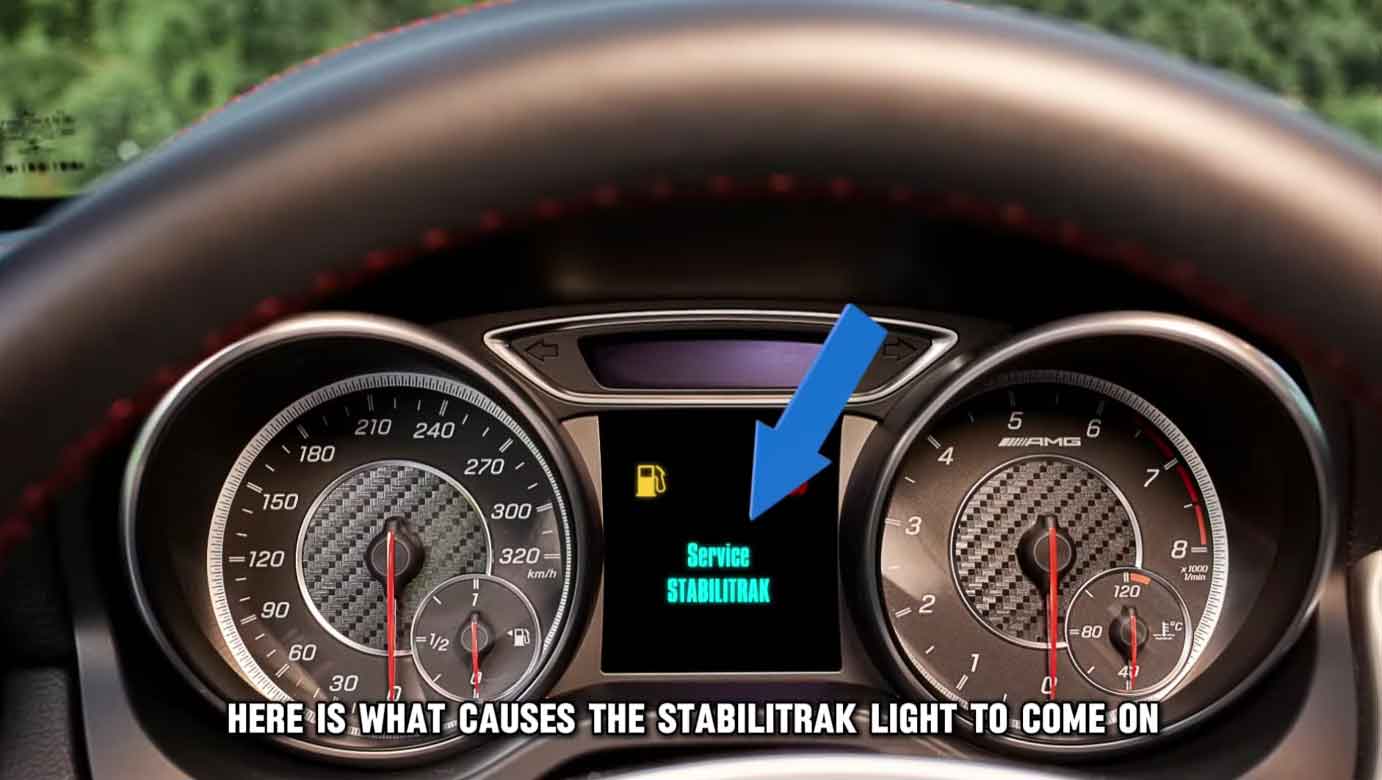
You see a warning light flash on your dashboard. It says “Service StabiliTrak.” Your heart sinks a little. Is this serious? Can you still drive? What’s going to break next?
I’ve been fixing cars for over 15 years. This warning pops up a lot in GM vehicles. The good news? Most times, it’s a quick fix. Some cases don’t even need a mechanic.
Let me walk you through everything. I’ll explain what StabiliTrak does. Then I’ll show you how to reset the light yourself. We’ll also cover what might be causing it. And yes, I’ll tell you what it might cost if you need repairs.
What Is StabiliTrak and Why Does Your Car Have It?
StabiliTrak is General Motors’ name for electronic stability control. Think of it as a safety assistant built into your car. It helps you stay in control when roads get slippery.
Here’s how it works in simple terms. Your car has sensors everywhere. They watch your wheels. They track your steering. They monitor how your car moves forward.
When these sensors detect trouble, StabiliTrak jumps in. Maybe your wheels start spinning on ice. Or you brake too hard and start sliding. The system cuts engine power. It applies brakes to specific wheels. All of this happens in milliseconds.
In my shop, I’ve seen this system prevent countless accidents. It’s especially useful in winter. Or during heavy rain. Any time traction gets low, StabiliTrak works overtime.
Your Chevy, GMC, Buick, or Cadillac has this technology. It’s standard in most GM vehicles made after 2012.
Step-by-Step: How to Reset the Service StabiliTrak Light
When that warning light comes on, try these fixes first. I always start with the simplest solutions. You’d be surprised how often they work.
Method 1: Turn Your Steering Wheel All the Way
This sounds too easy. But it works sometimes.
Turn your steering wheel completely to the right. Go as far as it will turn. Then turn it all the way left. Do this while the engine is running.
Watch the dashboard. The light might turn off. This recalibrates the steering angle sensor. If the light goes away, you’re done. Drive normally and see if it stays off.
Method 2: Disconnect the Battery
This is the reset method I use most often. It clears temporary electrical glitches.
Park your car somewhere safe. Turn off the engine completely. Pop the hood and locate your battery. You’ll need a wrench. Usually a 10mm works for most GM vehicles.
Loosen the negative cable first. It’s the black one. Pull it off the battery terminal. Wait 15 minutes. This gives the car’s computer time to fully reset.
Reconnect everything. Start your car. Check if the warning disappeared.
From years under the hood, I’ve learned this fixes about 40% of StabiliTrak warnings. The problem was just a temporary software hiccup.
Method 3: Check the StabiliTrak Button
Look near your gear shift or on your center console. There’s a button with a car and squiggly lines. That’s your StabiliTrak button.
Someone might have pressed it by accident. Kids are famous for pushing random buttons. Even a purse or bag can hit it.
Press and hold this button for a few seconds. The system should reactivate. The warning light should turn off.
Method 4: Run a Diagnostic Scan
Now we’re getting technical. But this is crucial for finding the real problem.
You need an OBD-II scanner. I recommend getting one if you own a car. They cost $25 to $100. They’re worth every penny.
Plug the scanner into the port under your dashboard. It’s usually near the steering column. Turn on your ignition. Run a full system scan.
The scanner will show fault codes. These codes tell you exactly what’s wrong. Write them down. Look them up online or bring them to a mechanic.
When I service a car like this, the codes guide me straight to the problem. No guessing. No wasted time.
Method 5: Take It to a Professional
If nothing worked, see a mechanic. Don’t ignore this warning for weeks. The StabiliTrak system keeps you safe. Driving without it working properly is risky.
A good technician will diagnose the issue properly. They have professional-grade scanners. They can test individual sensors. They’ll find the root cause.
What Triggers This Warning Light?
Let me break down the common culprits. I see these problems regularly in my bay.
Bad Wheel Speed Sensors
Each wheel has a sensor. It tells the computer how fast that wheel spins. When one sensor fails, the whole system gets confused.
These sensors sit close to the wheels. They get dirty. Road salt corrodes them. Sometimes the wiring breaks.
I’ve replaced hundreds of these sensors. They’re a common failure point. Especially in vehicles that see harsh winters.
Faulty Steering Angle Sensor
This sensor tracks where your steering wheel points. It helps the system understand your intended direction.
When it malfunctions, the car can’t tell where you’re trying to go. The StabiliTrak system shuts down to be safe.
This sensor can drift out of calibration. Sometimes it just fails completely. A steering wheel reset often fixes calibration issues.
Someone Hit the Button
This happens more than you’d think. The StabiliTrak button is easy to press accidentally.
One customer called me in a panic. Her warning light was on. I asked her to check the button. Sure enough, her gym bag had pressed it while she was driving.
Simple fix. No cost. Just embarrassment.
Problems With the Control Module
The traction control module is the brain. It processes all the sensor data. It makes split-second decisions.
When this module fails, you’ll see multiple warning lights. Often the StabiliTrak and traction control lights appear together.
Module problems are more serious. They usually need professional diagnosis. Sometimes the module needs reprogramming. Sometimes it needs replacement.
Issues in the ABS System
The Anti-lock Braking System and StabiliTrak work together. They share sensors and components.
When your ABS has problems, it affects StabiliTrak. You might see both warning lights at once.
ABS issues include bad sensors, damaged wiring, or low brake fluid. I always check brake fluid first. It’s the easiest thing to fix.
Repair Costs You Should Know About
Money matters. Here’s what you might spend at a repair shop.
These are average prices based on my region. Your costs might vary. But this gives you a ballpark.
| Repair Type | Cost Range |
|---|---|
| Wheel Speed Sensor | $150 – $400 |
| Steering Angle Sensor | $200 – $600 |
| Control Module Work | $300 – $900 |
| ABS Repairs | $300 – $1,000 |
| Hydraulic System | $800 and up |
The parts themselves aren’t always expensive. Labor adds up because diagnosis takes time. Testing sensors requires special equipment.
In my shop, sensor replacements take about an hour. Module work might take two hours or more. That’s where labor costs come from.
Final Thoughts
The Service StabiliTrak warning deserves your attention. Don’t panic, but don’t ignore it either.
Start with the simple fixes. Turn your steering wheel. Disconnect the battery. Check if someone pressed the button by accident.
If those don’t work, scan for codes. This tells you exactly what’s wrong. Then you can decide whether to DIY or see a mechanic.
From years under the hood, I’ve learned that most StabiliTrak issues are fixable. Many are even cheap to repair. The key is addressing them quickly.
Your safety system needs to work properly. Especially in bad weather. Don’t let a small problem become a big accident.
Common Questions Answered
Can I reset the Service StabiliTrak light myself?
Yes, you can try several methods at home. The battery disconnect method works well for temporary glitches. Turn off your car. Remove the negative battery cable. Wait 15 minutes. Reconnect and start the car. You can also try turning your steering wheel completely in both directions. This might recalibrate the sensors.
What makes this warning light appear?
Several things cause this warning. Bad wheel sensors are very common. Steering angle sensors can fail or lose calibration. The traction control module might have issues. Your ABS system could have problems. Sometimes low brake fluid triggers it. Even an accidental button press can turn on the warning.
Is driving with this light dangerous?
You can drive with the warning on. But I don’t recommend it for long. Your traction control isn’t working properly. This matters most on slippery roads. Rain, snow, and ice become more dangerous. Your car can’t help you maintain control like it should. Get it fixed as soon as possible.
How much will repairs cost me?
It depends on what’s broken. Sensor replacements run $150 to $400 usually. Steering sensors cost $200 to $600. Control module repairs are pricier at $300 to $900. Major ABS work can reach $1,000. The good news? Many fixes are on the cheaper end. A diagnostic scan tells you what you’re facing.
Will the light turn off by itself?
Sometimes, yes. If a temporary glitch caused it, the light might disappear after a few drives. But if it stays on or keeps coming back, there’s a real problem. Don’t wait and hope. Get it checked out. A simple fix now beats a costly repair later.