
Monday to Saturday - 9:00 am -18:00 pm

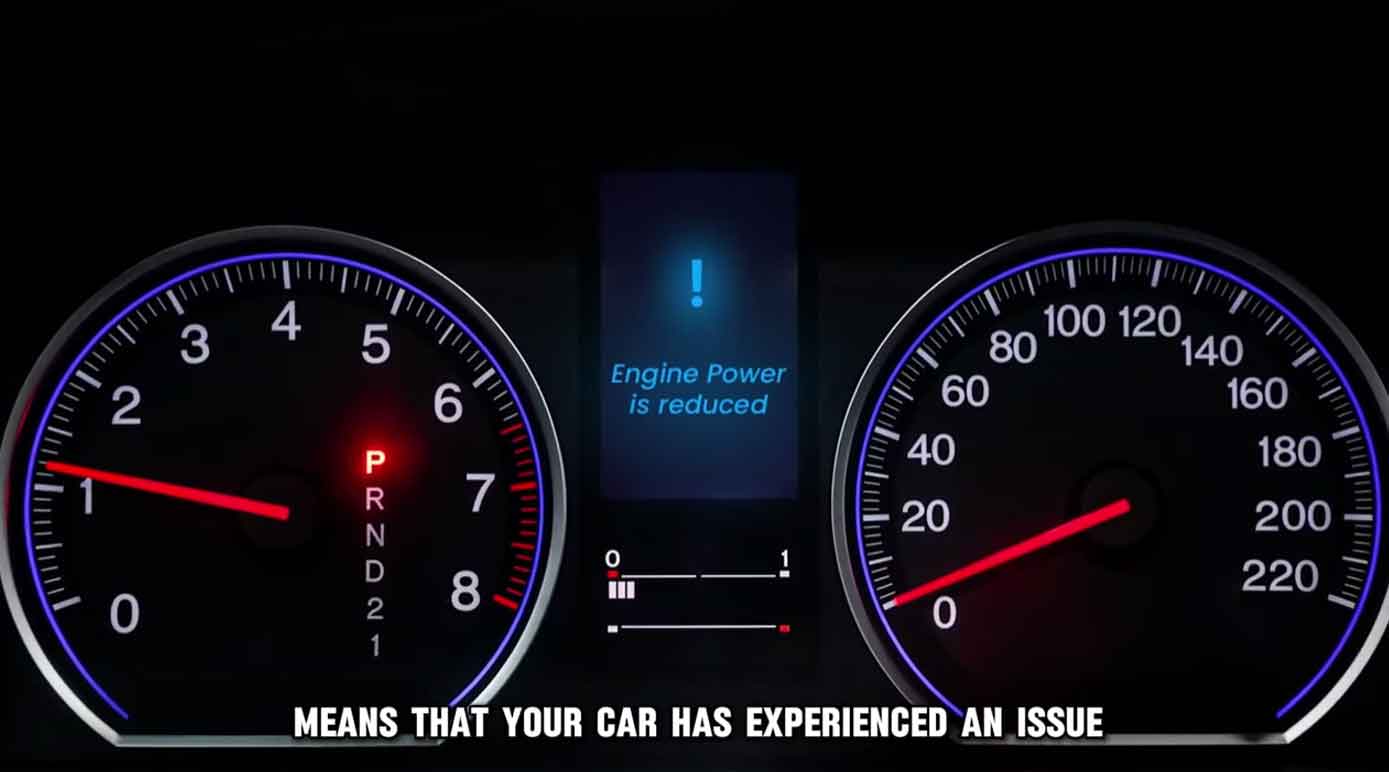
Seeing the “Engine Power Reduced” message on your Chevy Equinox dashboard can be scary. Your heart probably sinks when those words pop up. I’ve seen this happen countless times in my shop, and I know how worried drivers get.
This warning means your vehicle detected something wrong. Your Equinox is protecting itself from bigger damage. The good news? Most causes are fixable once you know what’s happening.
In this guide, I’ll walk you through everything you need to know. We’ll cover what triggers this alert and how to fix it. Let’s get your Equinox running strong again.
What Causes “Engine Power Reduced” in Your Chevy Equinox?
![Chevy Equinox on the road]
From years under the hood, I’ve tracked down many reasons for this warning. Understanding the root cause helps you fix it faster. Here are the most common culprits I see:
Throttle body getting dirty or stuck: The throttle body controls air going into your engine. When it gets gunked up, airflow drops. Your engine can’t breathe right.
Accelerator pedal sensor going bad: This sensor tells your computer how hard you’re pressing the gas. When it fails, your Equinox gets confused about what you want.
Mass airflow sensor reading wrong: A dirty MAF sensor sends bad information to your engine computer. Your car can’t calculate the right fuel mixture.
Wiring problems or loose connections: Corroded wires or unplugged connectors break the communication system. Your engine control unit can’t get accurate data.
Transmission acting up: Sometimes the transmission causes power issues. Slipping gears or valve body problems trigger the warning.
Fuel delivery issues: Weak fuel pumps or clogged injectors starve your engine. It can’t make full power without proper fuel pressure.
Exhaust system blocked: A clogged exhaust creates back pressure. Your engine struggles to push gases out.
Catalytic converter clogged up: When the cat gets plugged, exhaust can’t flow freely. This chokes your engine’s performance.
Oxygen sensor failure: Bad O2 sensors mess up your air-fuel ratio. Your engine runs too rich or too lean.
Is It Safe To Keep Driving With This Warning?
I always tell my customers the same thing: don’t push your luck. Here’s what you need to know:
Right now problems: Your Equinox will feel sluggish and weak. Acceleration becomes difficult. You might not merge safely onto highways. Passing other cars gets dangerous.
What could happen: Ignoring this warning can destroy your engine. I’ve seen catalytic converters melt down. Engine repairs that could’ve cost $200 turn into $3,000 nightmares.
What to do immediately: Pull over when safe. Turn off unnecessary electronics. Call for help if you’re far from home. Don’t try to “power through” this issue.
How To Fix “Engine Power Reduced” in Your Chevy Equinox
When I service a car like this, I follow a systematic approach. Here’s my step-by-step process that works:
Step 1: Scan For Error Codes
First thing I do is plug in my scan tool. You need an OBD-II scanner to read the codes. These codes tell you exactly what’s wrong.
Common codes I see include P0120 (throttle position sensor), P0220 (accelerator pedal sensor), and P1516 (throttle actuator control). Write down the codes before clearing them.
You can buy a basic scanner for around $30. It’s a smart investment for any car owner.
Step 2: Clean the Throttle Body
In my shop, dirty throttle bodies cause about 40% of these cases. It’s an easy fix you can do yourself.
Find the throttle body between your air filter and engine. It’s usually held by two or three bolts. Remove the air intake tube to access it.
Spray throttle body cleaner on a soft cloth. Gently wipe away the black carbon buildup. Don’t spray cleaner directly into the throttle. Open the throttle plate carefully with your finger.
Let it dry for 10 minutes before reconnecting everything.
Step 3: Check the Accelerator Pedal Sensor
This sensor sits on your gas pedal assembly. I use a digital multimeter to test it.
Set your meter to measure voltage. Press the pedal slowly while watching the reading. It should increase smoothly from about 0.5 volts to 4.5 volts.
If the voltage jumps around or stays flat, the sensor is bad. Replacement takes about 20 minutes. The part costs between $50 and $150.
Step 4: Look at All Wiring and Plugs
Electrical gremlins cause more problems than people realize. I’ve found loose connectors that took 5 seconds to fix.
Check every wire harness around the throttle body. Look for green corrosion on connectors. Wiggle each plug to make sure it’s tight.
Pay special attention to wires near the engine. Heat can melt insulation over time. Replace any damaged wires immediately.
Step 5: Reset Your Engine Computer
Sometimes the computer just needs a fresh start. Disconnect your negative battery cable. Wait 15 minutes for the system to fully power down.
This clears temporary error codes and resets learned values. Reconnect the battery and start your engine. Let it idle for 5 minutes.
Take a test drive to see if the message returns.
When You Need a Professional Mechanic
Some problems are beyond DIY repairs. From my experience, you should get professional help when:
You’ve tried basic fixes but the light stays on. The scan tool shows codes you don’t understand. Your Equinox makes grinding or knocking noises. You smell burning odors from under the hood.
You’re not comfortable working on electrical systems. The problem seems to come and go randomly.
A good mechanic has specialized diagnostic equipment. We can monitor live sensor data while driving. This helps pinpoint intermittent problems that are hard to catch.
How To Prevent This Problem From Coming Back
In my shop, I always share these preventive tips with customers:
Get regular service done: Change your oil on time. Replace air filters every 15,000 miles. Keep up with scheduled maintenance.
Clean sensors regularly: Spray MAF sensor cleaner once a year. Wipe down the throttle body every oil change. Keep sensors free from dirt and oil.
Watch your check engine light: Don’t ignore small warnings. Little problems become big problems fast. Address issues when they first appear.
Inspect wiring twice a year: Look for cracked wire insulation. Check for loose connections. Fix electrical problems before they cause bigger issues.
Use quality fuel: Cheap gas can clog injectors. Use Top Tier fuel when possible. Add fuel system cleaner every few tanks.
Common Questions About Reduced Engine Power
Here are questions I answer almost every day:
How Far Can I Drive Like This?
Don’t drive any farther than necessary. Get to a safe spot and shut down. Continuing to drive can cause permanent engine damage. I’ve seen engines fail completely because someone kept driving.
Does Cold Weather Trigger This?
Yes, extreme cold affects sensors and computers. Frozen condensation can cause electrical shorts. Let your engine warm up before driving in winter. Park in a garage when temperatures drop below zero.
What’s The Repair Cost?
Simple fixes like cleaning run $50 to $100. Sensor replacement costs $100 to $300. Throttle body replacement runs $300 to $600. Major repairs like catalytic converters can hit $1,500 or more.
Price depends on what’s actually broken. Get a proper diagnosis before authorizing repairs.
Will My Warranty Cover This?
Check your warranty paperwork carefully. Powertrain warranties usually last 5 years or 60,000 miles. Emissions-related parts have longer coverage in some states. Call your dealer to verify what’s covered.
Get Your Equinox Running Right Again
The “Engine Power Reduced” message doesn’t have to ruin your day. Now you understand what causes it and how to fix it. Most problems are straightforward when you know where to look.
Start with simple checks like scanning codes and cleaning sensors. Many times, that’s all you need. If the problem is deeper, don’t hesitate to get professional help.
Your safety is worth more than any repair bill. Take care of this warning promptly. Get back to enjoying your Chevy Equinox the way it was meant to run.